
 Tweedehands
Boek
Tweedehands
Getest & gereinigd · met garantie
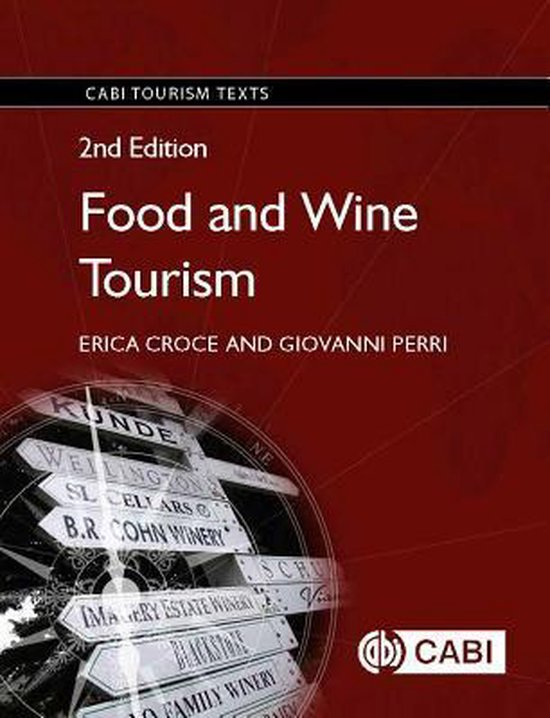
Food and Wine Tourism
€27,95
Conditie
- 3 maanden garantie
- Voor 16:00 besteld, vandaag verzonden
- Gratis verzending vanaf €50
- Getest & schoongemaakt
Productomschrijving
This established textbook provides practical suggestions and guidelines for establishing a food-related tourism destination. It discusses the environment, the food tourist, supply issues, marketing and best practice strategies and includes global case studies and pedagogical features for students of tourism and leisure subjects.
This established textbook explores how regions, and food industry, travel and hospitality companies present themselves to tourists experiencing the culture, history and ambience of a location through the food and wine it produces. It provides practical suggestions and guidelines for establishing a food-related tourism destination and business, discussing the environment, understanding the food tourist, supply issues, tours and tasting sessions, themed itineraries, planning and developing the tourist product, marketing and best practice strategies. It also includes numerous case studies from around the world and plentiful pedagogical features to aid student learning. The second edition: - Contains updated chapters throughout, to form a complete and current overview of food and wine tourism. - Reviews new emerging destinations, and food and wine tourism from a business perspective. - Includes new global case studies discussing aspects such as transforming an Indian area into a wine-producing region, promoting a destination through a social media campaign, chocolate tourism in Belize, planning an international food fair, and making San Francisco a food capital. - Presents successful international professionals' experiences and tips, catching trends and setting the tourism phenomenon in an even more international context. If food and wine tourism is well planned, managed and controlled, it can become a real economic resource. Suitable for students in tourism and leisure subjects, the practical application provided in this book also makes it an ideal resource for those operating in the food and wine sector.
This established textbook explores how regions, and food industry, travel and hospitality companies present themselves to tourists experiencing the culture, history and ambience of a location through the food and wine it produces. It provides practical suggestions and guidelines for establishing a food-related tourism destination and business, discussing the environment, understanding the food tourist, supply issues, tours and tasting sessions, themed itineraries, planning and developing the tourist product, marketing and best practice strategies. It also includes numerous case studies from around the world and plentiful pedagogical features to aid student learning. The second edition: - Contains updated chapters throughout, to form a complete and current overview of food and wine tourism. - Reviews new emerging destinations, and food and wine tourism from a business perspective. - Includes new global case studies discussing aspects such as transforming an Indian area into a wine-producing region, promoting a destination through a social media campaign, chocolate tourism in Belize, planning an international food fair, and making San Francisco a food capital. - Presents successful international professionals' experiences and tips, catching trends and setting the tourism phenomenon in an even more international context. If food and wine tourism is well planned, managed and controlled, it can become a real economic resource. Suitable for students in tourism and leisure subjects, the practical application provided in this book also makes it an ideal resource for those operating in the food and wine sector.
This established textbook explores how regions, and food industry, travel and hospitality companies present themselves to tourists experiencing the culture, history and ambience of a location through the food and wine it produces. It provides practical suggestions and guidelines for establishing a food-related tourism destination and business, discussing the environment, understanding the food tourist, supply issues, tours and tasting sessions, themed itineraries, planning and developing the tourist product, marketing and best practice strategies. It also includes numerous case studies from around the world and plentiful pedagogical features to aid student learning. The second edition: - Contains updated chapters throughout, to form a complete and current overview of food and wine tourism. - Reviews new emerging destinations, and food and wine tourism from a business perspective. - Includes new global case studies discussing aspects such as transforming an Indian area into a wine-producing region, promoting a destination through a social media campaign, chocolate tourism in Belize, planning an international food fair, and making San Francisco a food capital. - Presents successful international professionals' experiences and tips, catching trends and setting the tourism phenomenon in an even more international context. If food and wine tourism is well planned, managed and controlled, it can become a real economic resource. Suitable for students in tourism and leisure subjects, the practical application provided in this book also makes it an ideal resource for those operating in the food and wine sector.
This established textbook explores how regions, and food industry, travel and hospitality companies present themselves to tourists experiencing the culture, history and ambience of a location through the food and wine it produces. It provides practical suggestions and guidelines for establishing a food-related tourism destination and business, discussing the environment, understanding the food tourist, supply issues, tours and tasting sessions, themed itineraries, planning and developing the tourist product, marketing and best practice strategies. It also includes numerous case studies from around the world and plentiful pedagogical features to aid student learning. The second edition: - Contains updated chapters throughout, to form a complete and current overview of food and wine tourism. - Reviews new emerging destinations, and food and wine tourism from a business perspective. - Includes new global case studies discussing aspects such as transforming an Indian area into a wine-producing region, promoting a destination through a social media campaign, chocolate tourism in Belize, planning an international food fair, and making San Francisco a food capital. - Presents successful international professionals' experiences and tips, catching trends and setting the tourism phenomenon in an even more international context. If food and wine tourism is well planned, managed and controlled, it can become a real economic resource. Suitable for students in tourism and leisure subjects, the practical application provided in this book also makes it an ideal resource for those operating in the food and wine sector.
Specificaties
EAN9781786391278
Aantal pagina's264
AuteurErica Croce
BindwijzePaperback
Genre nlEconomie & Financiën
Jaar van uitgifte2017
TaalEngels
UitgeverijCabi Publishing
Game genreEconomie & Financiën
Fabrikant en levering
Wij zijn je aanspreekpunt voor vragen en retour
Verkocht en geleverd doorReway (KVK 68691378)Lijndenweg 30L, 1951 NC Velsen-Noord, Nederlandklantenservice@reway.nl
Zo werkt kopen bij Reway
Krijg ik garantie en kan ik retourneren?
Ja. Je krijgt standaard 3 maanden garantie, ook op tweedehands producten. Daarnaast heb je 14 dagen bedenktijd.
Wanneer wordt mijn bestelling verzonden?
Op werkdagen geldt: voor 16:00 besteld, vandaag verzonden.
Anderen bekeken ook