
 Tweedehands
Boek
Tweedehands
Getest & gereinigd · met garantie
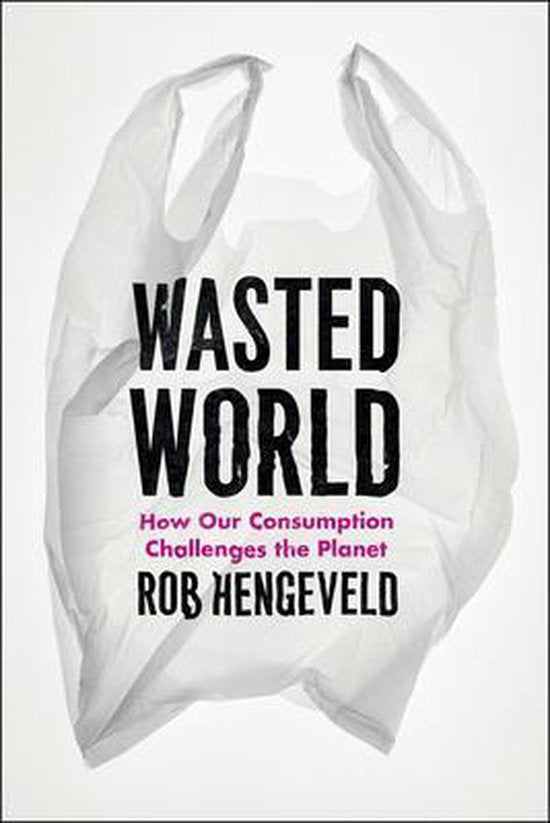
Wasted World - How Our Consumption Challenges the Planet
€15,95
Conditie
- 3 maanden garantie
- Voor 16:00 besteld, vandaag verzonden
- Gratis verzending vanaf €50
- Getest & schoongemaakt
Productomschrijving
All systems produce waste as part of a cycle - bacteria, humans, combustion engines, even one as large and complex as a city. To some extent, this waste can be absorbed, processed, or recycled - though never completely. This book reveals how a long history of human consumption has left our world drowning in waste.
All systems produce waste as part of a cycle - bacteria, humans, combustion engines, even one as large and complex as a city. To some extent, this waste can be absorbed, processed, or recycled - though never completely. In "Wasted World", Rob Hengeveld reveals how a long history of human consumption has left our world drowning in waste. This is a compelling and urgent work that traces the related histories of population growth and resource consumption. As Hengeveld explains, human life (and population growth) depends not only on mineral resources but also on energy. People first obtained energy from food and later supplemented this with energy from water, wind, and animals as one source after another fell short of our ever-growing needs. Finally, we turned to fossil energy, which generates atmospheric waste that is the key driver of global climate change. The effects of this climate change are already leading to food shortages and social collapse in some parts of the world. Because all of these problems are interconnected, Hengeveld argues strenuously that measures to counter individual problems cannot work. Instead, we need to tackle their common cause-our staggering population growth. While many scientists agree that population growth is one of the most critical issues pressuring the environment, Hengeveld is unique in his insistence on turning our attention to the waste such growth leaves in its wake and to the increasing demands of our global society. A practical look at the sustainability of our planet from the perspective of a biologist whose expertise is in the abundances and distributions of species, Wasted World presents a fascinating picture of the whole process of using, wasting, and exhausting energy and material resources. And by elucidating the complexity of the causes of our current global state, Hengeveld offers us a way forward.
All systems produce waste as part of a cycle - bacteria, humans, combustion engines, even one as large and complex as a city. To some extent, this waste can be absorbed, processed, or recycled - though never completely. In "Wasted World", Rob Hengeveld reveals how a long history of human consumption has left our world drowning in waste. This is a compelling and urgent work that traces the related histories of population growth and resource consumption. As Hengeveld explains, human life (and population growth) depends not only on mineral resources but also on energy. People first obtained energy from food and later supplemented this with energy from water, wind, and animals as one source after another fell short of our ever-growing needs. Finally, we turned to fossil energy, which generates atmospheric waste that is the key driver of global climate change. The effects of this climate change are already leading to food shortages and social collapse in some parts of the world. Because all of these problems are interconnected, Hengeveld argues strenuously that measures to counter individual problems cannot work. Instead, we need to tackle their common cause-our staggering population growth. While many scientists agree that population growth is one of the most critical issues pressuring the environment, Hengeveld is unique in his insistence on turning our attention to the waste such growth leaves in its wake and to the increasing demands of our global society. A practical look at the sustainability of our planet from the perspective of a biologist whose expertise is in the abundances and distributions of species, Wasted World presents a fascinating picture of the whole process of using, wasting, and exhausting energy and material resources. And by elucidating the complexity of the causes of our current global state, Hengeveld offers us a way forward.
Specificaties
EAN9780226326993
Aantal pagina's360
AuteurRob Hengeveld
BindwijzeHardcover
Genre nlWetenschap & Natuur
Jaar van uitgifte2012
TaalEngels
UitgeverijUniversity Of Chicago Press
Game genreWetenschap & Natuur
Fabrikant en levering
Wij zijn je aanspreekpunt voor vragen en retour
Verkocht en geleverd doorReway (KVK 68691378)Lijndenweg 30L, 1951 NC Velsen-Noord, Nederlandklantenservice@reway.nl
Zo werkt kopen bij Reway
Krijg ik garantie en kan ik retourneren?
Ja. Je krijgt standaard 3 maanden garantie, ook op tweedehands producten. Daarnaast heb je 14 dagen bedenktijd.
Wanneer wordt mijn bestelling verzonden?
Op werkdagen geldt: voor 16:00 besteld, vandaag verzonden.
Anderen bekeken ook
De Grote Bosatlas
€43,95
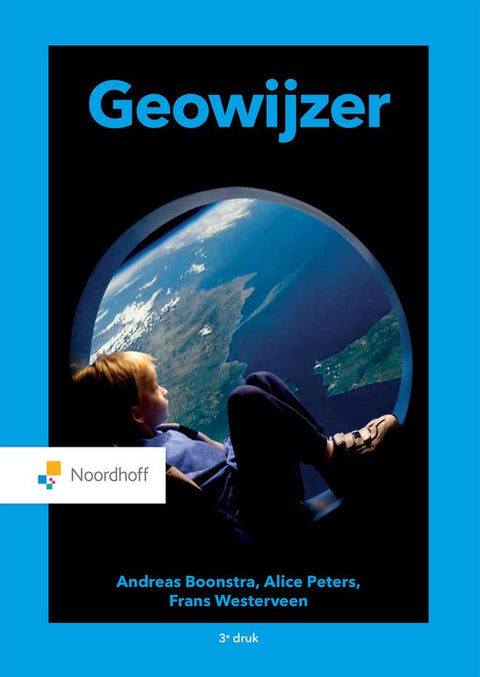
GeoWijzer
€40,95tot€57,95